
A leaking bath can be frustrating, messy, and worrying – especially if water starts seeping through the ceiling below. Left untreated, even a small drip can cause significant water damage, mould growth, and costly repairs.
In this guide, we’ll cover the most common reasons your bath is leaking and what you can do about it. Maybe you’ve noticed water pooling around your tub, damp patches on walls, or stains on the ceiling beneath your bathroom. These are all common problems that our experienced plumbers see (and fix!) on a daily basis. Here’s what to look for…
Leaking bath seal or grout
The silicone sealant around the edges of your bath prevents water from escaping. Over time, this can crack, shrink, or peel away, allowing water to seep through. Similarly, cracked or missing grout between tiles can cause leaks behind the walls.
WHAT TO DO:
- Check the seal all the way around your bath.
- Reseal with high-quality waterproof bathroom sealant if it looks damaged.
- Re-grout any loose or missing sections.
- Whilst simple jobs, these can be time consuming and fiddly. If you’re not feeling confident, call a professional.
Faulty waste pipe or trap
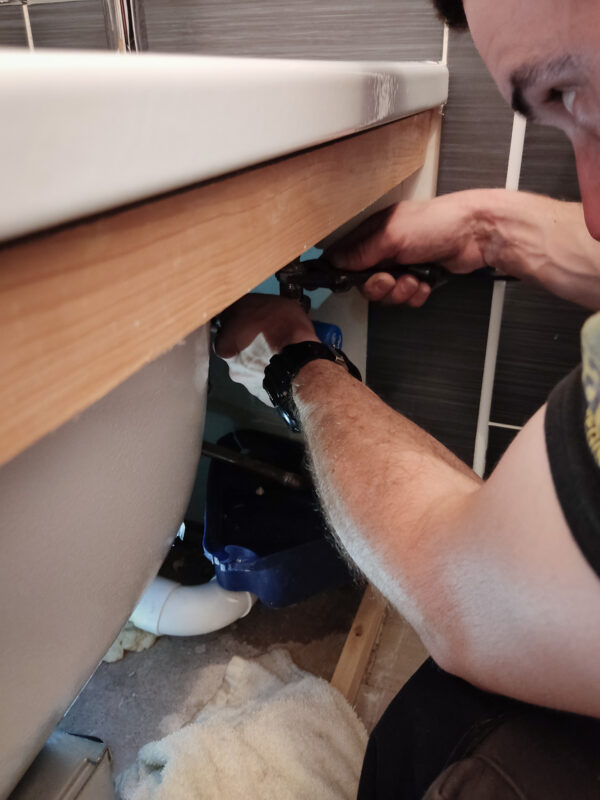
Under your bath is a waste pipe or U-bend trap to drain the water away. Loose joints, worn washers, or cracked plastic can all lead to water escaping underneath the tub.
WHAT TO DO:
- Remove the bath panel (if possible) to inspect underneath.
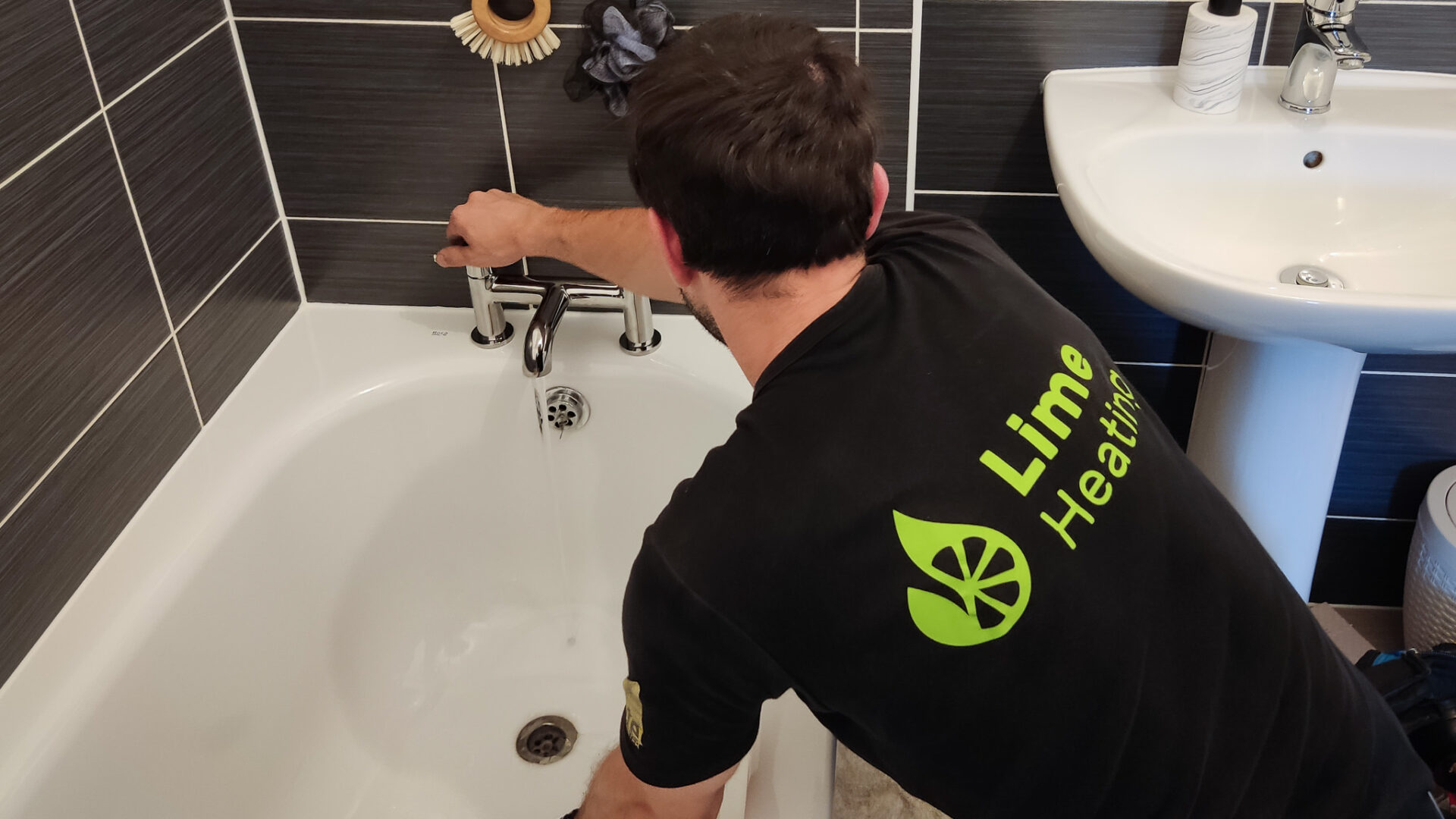
- Look for drips when the bath is emptying or water is running.
- Try using a piece of tissue to soak up drips if not obvious.
- Tighten loose fittings or replace worn washers.
- If the pipe is cracked, you may need a plumber to replace it.
Damaged bath tub
While less common, cracks in acrylic baths or chips in enamelled steel tubs can lead to leaks. These usually start small but get worse over time as water penetrates.
WHAT TO DO:
- Small cracks may be repaired with a specialist bath repair kit.
- For significant damage, replacement of the tub may be the safest option.
Overflow pipe issues
When the bath’s overflow isn’t sealed properly, water leaks every time the bath is filled too high.
WHAT TO DO:
- Remove the bath panel to check the overflow connection.
- Tighten screws and replace seals if needed.
Loose taps or pipework
Leaks can also come from the taps themselves or from the supply pipes hidden behind walls. If you notice dripping around the taps or water stains nearby, this could be the cause.
WHAT TO DO:
- Check for loose fittings around the taps.
- Tighten connections carefully.
- If pipes are hidden behind the wall, you may need professional help.
When to call a plumber
Simple jobs, like resealing around the bath, are often easy DIY fixes for many homeowners. However, more complex problems benefit from the experience of professional plumbers. Quick intervention can save you from costly water damage and ensure your bathroom is watertight once more!
Final thoughts
If you’ve been wondering, “Why is my bath leaking?” the answer could be anything from worn sealant to faulty plumbing. Start by checking the simple fixes like resealing, re-grouting, or tightening fittings. But don’t ignore persistent leaks – they can quickly turn into expensive repairs if left unresolved.
For reliable help with bathroom leaks, pipework, or plumbing repairs, contact a professional plumber near you. Fixing the issue early will protect your home and keep your bathroom in top condition.
Book a plumber