If you’re wondering can you move a boiler to a different room, the good news is that in most cases, you can.
Whether you’re reclaiming kitchen cupboard space, planning a renovation or simply tired of looking at pipework in your living room, relocating a boiler is usually possible with the right planning.
The main considerations are how much it will cost, what work is involved and whether your preferred new location meets current boiler installation regulations.
If you’re thinking about relocating your boiler, here’s everything you need to consider before making a decision.
Can you move a boiler? What does this guide cover?
In most cases, yes, you can move a boiler to a different room or area of your home. However, the new location needs to meet current regulations and may require changes to pipework, flue positioning and other parts of your heating system.
Below, we explain what’s involved, what to consider and when moving your boiler may be worth it.
Can a boiler be moved and where can it go?
In short, yes. Gas, oil and electric boilers can all be relocated, provided the new position allows for safe pipework, a compliant flue route and adequate access for future servicing.
The qualification required will depend on your boiler type. Gas boilers legally require a
Gas Safe registered engineer, oil boilers should be worked on by an OFTEC registered technician and electric boilers need a suitably qualified electrician.
Some relocations may therefore require both a heating engineer and an electrician. This is something we can simplify at Lime Heating, as our sister company,
Lime Electrical, is on hand when electrical work is required.
Whichever fuel type applies, the new location will need to comply with Building Regulations as well as the boiler manufacturer’s specific installation requirements.
There are several places a boiler can potentially be moved to, with lofts, garages, extensions and cupboards among the most common options.
Can I move a boiler to a loft?
Yes. Lofts are a popular choice for freeing up living space, particularly in smaller homes.
However, loft installations come with additional requirements to make sure the boiler remains safe and accessible.
These can include:
- A permanent, fixed loft ladder rather than a freestanding one
- Proper boarding and a safe, level floor around the boiler
- Permanent lighting
- Frost protection
- Clear, unobstructed access for annual servicing
Vertical flues are also often needed for loft installations, which can add cost and complexity compared with a standard horizontal flue through an external wall.
If your loft is already used for storage or has been partially converted, there also needs to be enough clear space around the boiler to meet the manufacturer’s clearance requirements and Building Regulations.
Can I move a boiler to a garage?
A garage can be a practical location if your home doesn’t have a utility room or suitable spare cupboard.
The main consideration here is temperature.
Garages aren’t generally insulated to the same standard as the rest of the house, so the boiler and surrounding pipework need adequate frost protection to prevent freezing during colder weather.
Gas pipework will usually need to be extended too. Depending on where the garage is located relative to your existing heating system, this could involve a considerable amount of new pipework beneath floors or along walls.
Can I move a boiler into an extension?
Yes, and an extension can actually provide one of the easiest opportunities to relocate a boiler because the space is being created from scratch.
Extensions can be ideal for moving a boiler into a new utility area or purpose-built cupboard.
Planning the boiler position during the design stage is usually much simpler than deciding where it should go once the extension has already been built. Pipework, the flue route and any structural openings can all be considered from the beginning.
If the extension is being added to the rear of your property, the flue position will also need to be checked carefully to make sure it isn’t too close to a neighbour’s windows or boundary.
Can I move a boiler into a cupboard?
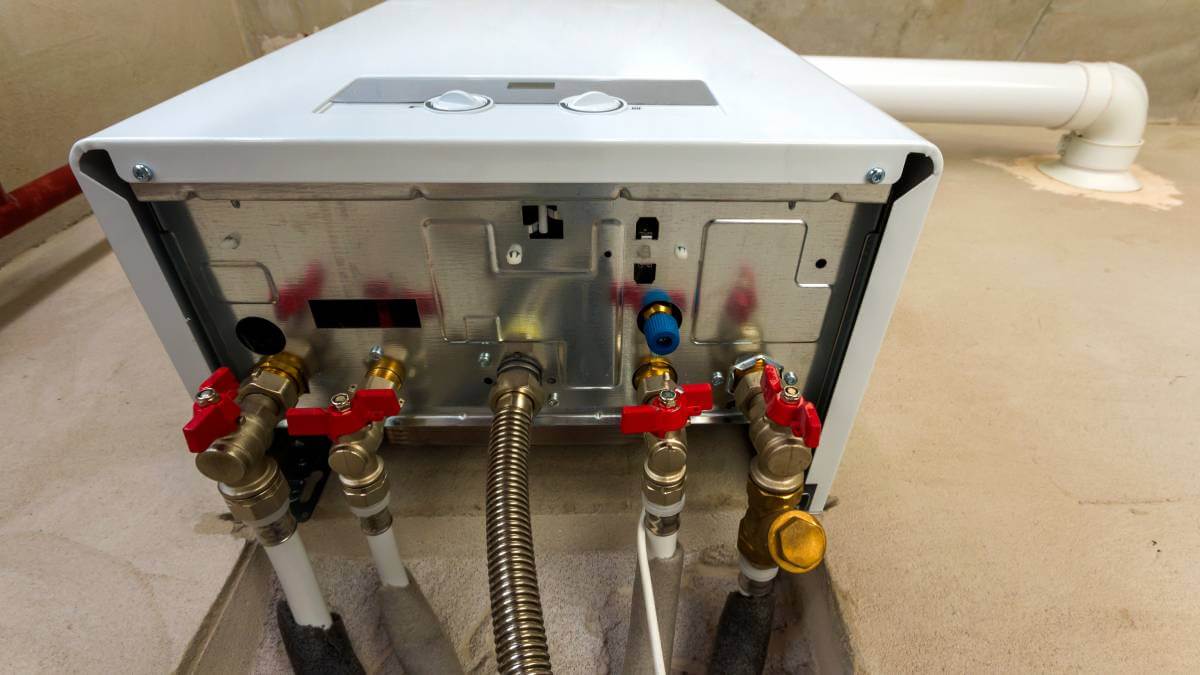
Relocating a boiler into a kitchen or airing cupboard is usually one of the simpler moves, particularly if the cupboard already backs onto an external wall.
The main consideration is clearance.
Your boiler must remain fully accessible, with the minimum amount of space around it specified by the manufacturer. This is generally around 60mm at the front with the cupboard door open, although the exact requirements will depend on the boiler.
Ventilation may also need to be considered, as some boiler types require a minimum air gap even when installed inside a cupboard.
How much does it cost to move a boiler and is it worth moving an old one?
The cost of relocating a boiler depends much more on the job’s complexity than on the boiler itself.
A short move within the same room will usually be the cheapest option. Moving a boiler onto another floor, into a loft or into an outbuilding will typically require considerably more work.
As a general guide:
- Same room or adjacent wall: from £800
- Different room on the same floor: from £1,000
- Different floor: from £1,200
- Loft relocation: from £2,000
- Garage relocation: from £1,000
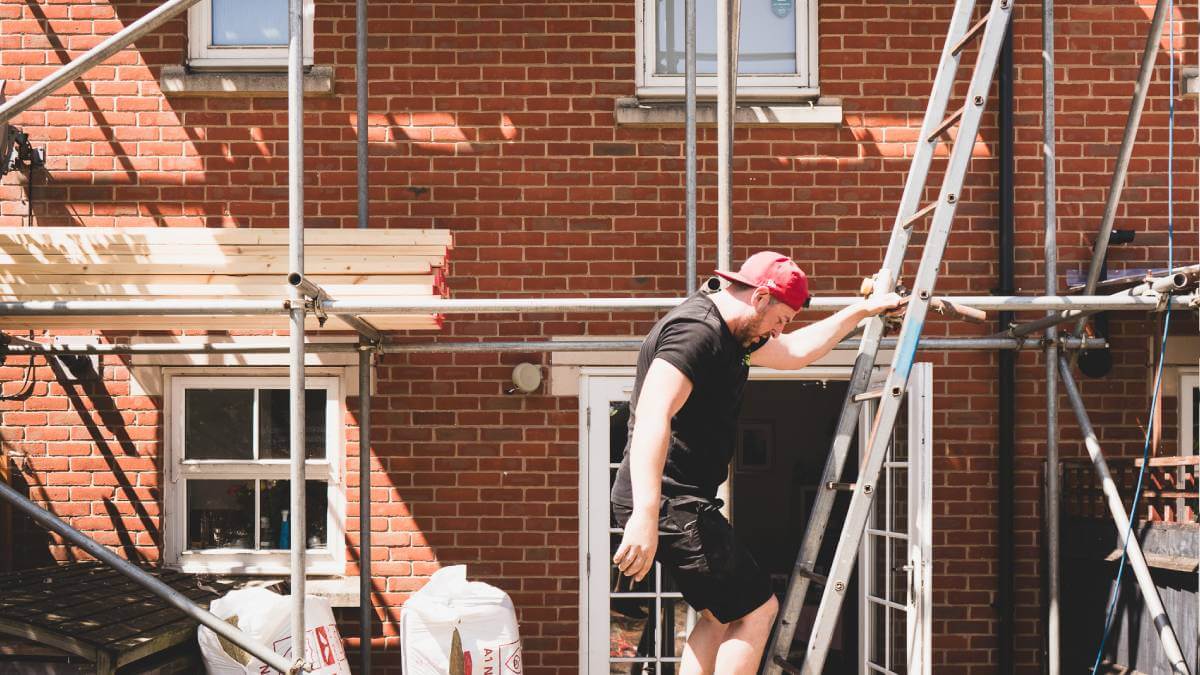
A loft relocation can sometimes cost more where scaffolding or a vertical flue is required.
These figures cover labour, pipework and a like-for-like flue extension. They don’t include the cost of a new boiler if your existing unit needs replacing or upgrading to suit its new location.
Is it worth moving an old boiler?
If your current boiler is more than eight to ten years old, it’s worth considering whether paying to relocate it makes financial sense.
Moving a boiler involves many of the same steps as installing a new one. The existing boiler has to be decommissioned, pipework adjusted, a new flue opening created where required, the boiler installed in its new position and the system recommissioned.
Paying for all of that work and then replacing an ageing boiler a year or two later could mean paying for similar labour twice.
Changing the boiler type may also give you greater flexibility when deciding on its new location, so it’s worth considering your longer-term plans rather than focusing solely on the immediate cost of the move.
What are the flue regulations when moving a boiler?
For a gas boiler, the flue is often one of the biggest factors determining whether your preferred new location is suitable.
The flue carries gases safely outside the property, which means its position needs to comply with the relevant
Building Regulations and Approved Document J, including requirements relating to the safe discharge of combustion products.
What flue clearances should you consider?
Some of the key clearances highlighted when considering a new boiler position include:
- At least 300mm from an openable window, door or air vent
- Around 2,000mm below a roof window such as a Velux
- At least 300mm above ground level
- Suitable clearance from a neighbour’s boundary, windows and doors
Requirements can increase depending on the size and type of boiler and the direction in which the flue points.
This is why it’s important to have the proposed location assessed by qualified
heating engineers in Milton Keynes before designing other work around the new boiler position.
If space is particularly tight, a plume management kit can sometimes be used to redirect exhaust gases away from a nearby opening, potentially avoiding the need to move the boiler further than originally planned.
What should I consider before moving my boiler?
Choosing where you would like your boiler to go is only the first step. There are several practical considerations that can affect whether the move is possible and how complex it will be.
Pipework
The further your boiler moves from its existing location, the more pipework is generally required.
Moving it onto an adjacent wall could be relatively straightforward, while moving it to a different floor or into an outbuilding may require much longer pipe runs.
Access
The boiler needs to remain easily accessible after relocation.
Your engineer will need sufficient room to safely service, maintain and repair the appliance, so hiding it in the smallest possible space isn’t always practical.
Temperature and frost protection
This is particularly important when considering locations such as lofts and garages.
These areas can experience much greater temperature changes than the main living areas of your home, so suitable frost protection may be needed for both the appliance and surrounding pipework.
Electrical work
Depending on the type of boiler and how far it is being moved, electrical alterations may also be required.
For jobs involving both heating and electrical work, Lime Heating can work alongside our sister company,
Lime Electrical, helping to keep the process straightforward.
Building Regulations
This means the location that looks best from a design point of view might not necessarily be the most practical position once the flue, pipework and access requirements are considered.
Who should I get to move my boiler?
Any work involving a gas boiler should always be carried out by a Gas Safe registered engineer.
It’s also worth arranging a home visit rather than relying purely on a phone estimate.
So much of the feasibility and cost of moving a boiler comes down to the specific property, including the proposed flue position, pipework routes and access to the new location.
An engineer can assess these factors in person and give you a much clearer idea of what will be involved before you commit to the work.
Lime Heating is a Milton Keynes-based Gas Safe-registered installer, and we offer free, no-obligation home visits to assess exactly what a boiler move would entail for your property.
If you’re combining the relocation with a new boiler, 0% finance options are also available.
Thinking about moving your boiler?
Whether you want to reclaim some valuable kitchen space, move your boiler into the loft or incorporate it into a new extension, getting professional advice before making any firm plans can save a lot of hassle later.
Our team can assess your existing boiler, the proposed new position and the work required before recommending the most practical option for your home.
Get in touch with Lime Heating to arrange your free, no-obligation home visit.