

Last month, residents of Newton Longville, near Milton Keynes, were shaken by a suspected gas explosion that destroyed a bungalow on Cobb Hall Road. Thames Valley Police, Buckinghamshire Fire and Rescue, and gas network operator SGN all attended the scene, and one man was taken to hospital with injuries. Nearby homes were evacuated as a precaution while engineers carried out safety checks in the area.
Sadly, the man injured in the explosion has since died. He has been named locally as Steve Woodward, and Newton Longville Parish Council has paid tribute to him as someone who will be greatly missed by the community. Our thoughts are with his family, friends, and everyone in the local area who has been affected by this.
The Health and Safety Executive is now leading the investigation into what happened, working alongside a coronial investigation, and the cause has not yet been confirmed.
Out of respect for the ongoing investigation and for those affected, we won’t speculate on the cause here. What we can do is use this as a moment to talk about gas safety more broadly. It’s a subject that’s easy to overlook in everyday life, but important for every home and business with any form of gas appliance.
A guide to gas safety at home
When gas appliances are working as they should, it is easy to forget about the risks involved. But knowing what to look out for, what to do if you smell gas and why regular checks matter can make a real difference.
In this guide, we are going to cover:
Why moments like this matter
Incidents like this are thankfully rare, but they’re a sobering reminder of the inherent risks in burning any form of fuel.
Gas is safe when systems are properly installed, maintained, and checked, but as they say: ‘familiarity breeds contempt’. When we use a resource without issue, it’s easy to forget that there are dangers involved that need to be taken seriously.
The vast majority of gas appliances in Milton Keynes run safely for years without issue; we want to make sure yours is one of them.
Simple things every homeowner or tenant can check
You don’t need to be an engineer to look out for some of the basics, though it’s worth remembering that not every gas issue or leak gives off a sign you can see, smell, or hear — which is why regular professional checks matter alongside these.
Know the smell of gas
Natural gas is odourless, so suppliers add a distinctive “rotten egg” scent so leaks are noticeable.
If you ever smell this, don’t turn light switches on or off, don’t strike a match, and get outside. We explain the actions you should take below.
Check your hob or gas fire flame
On appliances where you can see the flame, such as a gas hob or an open-fronted gas fire, it should burn blue.
A lazy, yellow, or orange flame can be a sign something isn’t right. The Health and Safety Executive provides further guidance on gas safety in the home and the warning signs to look out for.
Most modern boilers are room-sealed, meaning the flame is enclosed and not visible, so this check doesn’t apply to them — and this is a key reason for professional testing.
Look out for soot or staining look
Soot or staining around boilers, cookers, or gas fires can be a possible sign of incomplete combustion.
It is something worth getting checked even on appliances where you can’t see the flame itself.
Listen for changes
Unusual noises from your boiler, or pilot lights that keep going out, are worth getting checked.
Changes in how an appliance normally sounds or operates can sometimes be an early sign that something is not working as it should.
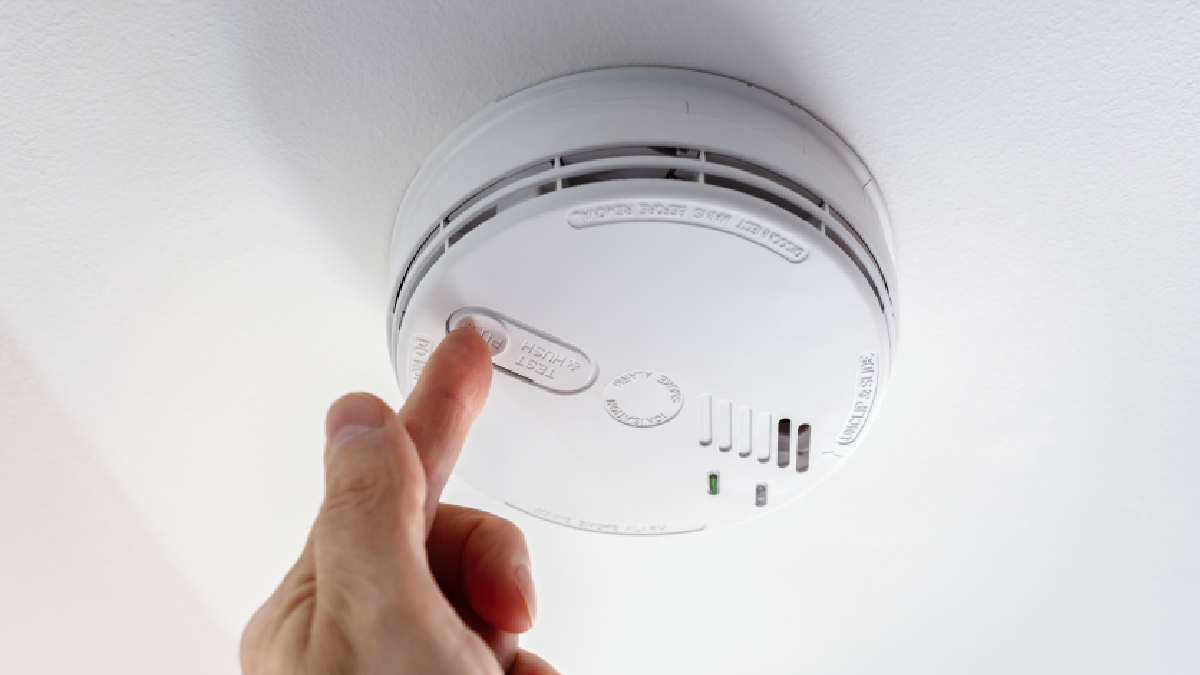
Test your CO alarm regularly
Carbon monoxide is a byproduct of poor combustion, and it’s invisible and odourless, so an alarm is your best early warning.
Testing your carbon monoxide alarm regularly helps make sure it is ready to alert you if there is a problem.
If you ever smell gas
If you think there may be a gas leak, acting quickly and safely is important.
You should:
Turn off the gas supply at the meter if it’s safe to do so
Open doors and windows to ventilate the area
Don’t use any naked flames or electrical switches
Leave the property and call the National Gas Emergency Service on 0800 111 999
Only go back in once you’ve been told it’s safe
The value of regular checks
An annual gas safety check by a Gas Safe registered engineer is one of the simplest ways to catch small issues before they become bigger ones.
For homeowners arranging boiler servicing in Milton Keynes, regular checks can help identify developing problems before they lead to breakdowns or more serious faults.
Things like a hairline crack in a pipe joint or a heat exchanger that’s starting to wear are often picked up by our engineers before any issues begin to show for homeowners.
Annual testing is a legal requirement for landlords, who must arrange annual gas safety checks on relevant appliances and flues and provide tenants with a copy of the gas safety record. You can read the official requirements on GOV.UK.
For homeowners, an annual check is also good practice, whether your system is a straightforward combi boiler or something more complex like a system boiler with an unvented cylinder.
What we can check that you can’t
A gas safety check goes well beyond what’s visible from the outside.
While our engineers do carry out visual checks of boilers, cookers, fires and flues, we don’t stop there.
Testing Gas pipework and tightness
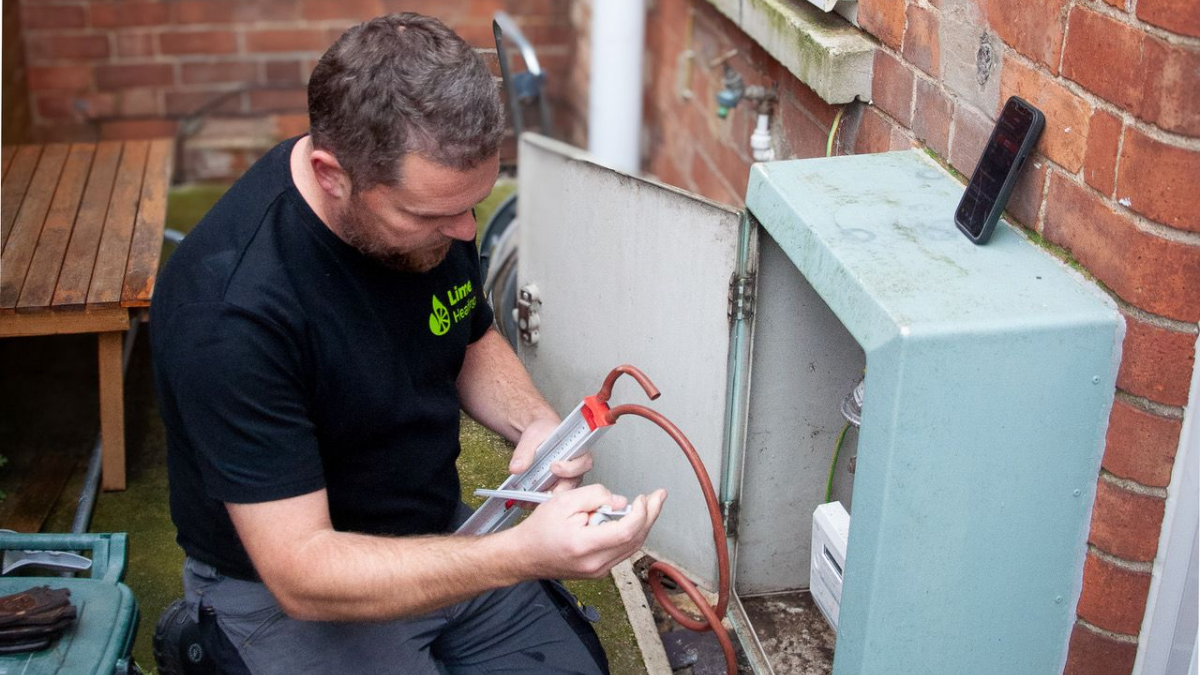
We carry out pressure and tightness tests on the gas pipework itself, allowing us to catch leaks that wouldn’t otherwise show any smell or visible sign.
Appliance safety device
We verify that appliance safety devices will shut off correctly if something goes wrong.
These checks help make sure built-in safety measures are working as they should.
Ventilation and combustion
We also check ventilation and combustion to confirm appliances are getting enough air and burning safely.
Anything of concern is flagged, along with any remedial work needed, and recorded on a CP12 certificate.
You can read more in our guide: CP12 Explained: What Landlords In Milton Keynes Must Know.
If it’s been a while since your boiler or gas appliances were checked, there’s no better time than now. Our heating engineers in Milton Keynes can carry out professional checks and servicing to help make sure your system is operating safely.
Common gas safety questions
There are a few questions we regularly hear from homeowners and landlords about gas safety checks, qualifications and boiler servicing.
How often should I get a gas safety check
Once a year is the standard recommendation for most homes.
If you’re due for boiler servicing in Milton Keynes, this can also be a good opportunity to have the wider condition and safety of the system checked.
How do I know if an engineer is Gas Safe registered?
Every registered engineer carries a Gas Safe ID card, which you can ask to see before they start work.
You can also check an engineer’s registration and the types of work they are qualified to carry out through the Gas Safe Register.
Is a gas safety check a legal requirement?
It’s a legal requirement for landlords, who must have gas appliances checked annually and provide tenants with a valid Gas Safety Record.
For homeowners it isn’t a legal requirement, but it’s strongly recommended from a safety perspective.
What’s the difference between a gas safety check and a boiler service?
A gas safety check confirms your appliances are safe to use.
A full boiler service goes further, checking and cleaning internal components to keep the boiler running efficiently, which can also help spot early signs of wear before they become bigger problems.
If you’re looking for experienced heating engineers in Milton Keynes or need to arrange boiler servicing in Milton Keynes, Lime Heating can help with regular maintenance, safety checks and boiler servicing across the local area.

