

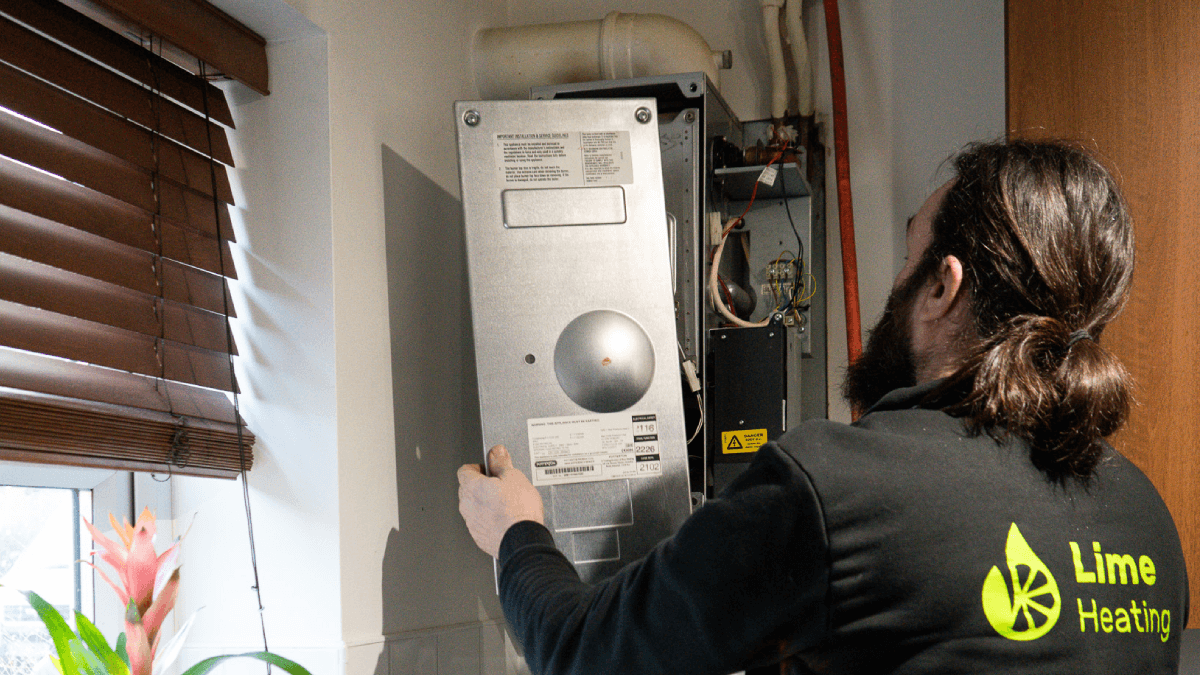
There is no single price that applies to every boiler installation. The type of boiler you need, the condition of your existing heating system and even where the boiler is positioned within your home can all affect the final quote.
To help you understand where your money goes, we’ll cover:
- How much a new boiler costs on average
- What affects the price of a new boiler
- How a like-for-like replacement compares with a combi conversion
- How to budget accurately for a new boiler
- How to make the cost of a new boiler more manageable
How much does a new boiler cost on average?
As a rough guide, most local homeowners can expect to pay from £2,000 upwards for a full boiler installation, including the boiler itself, labour, and standard extras, depending on the boiler type and required output.
This would generally cover a straightforward like-for-like replacement in a typical home.
Costs can increase when the installation involves additional work, such as moving pipework, upgrading the flue, relocating the boiler or converting from one boiler type to another.
This is why two homeowners replacing their boilers could receive very different quotes, even when the boilers themselves are similarly priced.
What affects the price of a new boiler?
Several factors determine the final cost of a boiler replacement.
The six main considerations are:
- Boiler type and output
- Labour requirements
- Boiler location
- Additional parts and upgrades
- Brand and warranty length
- Property type and the condition of your existing system
Understanding each of these can make it much easier to compare quotes and see exactly what you are paying for.
Boiler type and output
The type of boiler you choose can affect both the purchase price and the complexity of the installation.
A combi boiler is often one of the more affordable options for the boiler itself. Heat-only and system boilers can be slightly more expensive, despite having fewer internal components.
The required output, measured in kilowatts (kW), also matters. A more powerful boiler will generally cost more, but choosing the correct size is essential to meeting your property’s heating and hot water demands.
For example, a small flat with a limited number of radiators and one bathroom may only need a smaller combi boiler.
A larger property with multiple bathrooms, however, is more likely to require a larger heat-only or system boiler capable of meeting increased demand.
Choosing the right boiler should therefore be based on what your property actually requires rather than simply selecting the cheapest or most powerful option available.
Labour requirements
Boiler installation labour is normally priced according to the job rather than at one fixed rate.
A straightforward replacement where the new boiler is installed in the same location as the existing one can often be completed within a day.
More complicated installations naturally take longer.
Relocating a boiler, running new pipework or completing work within a difficult-to-access loft space could add another day or more to the installation.
The more work required to adapt your existing system, the greater the labour element of the final quotation is likely to be.
Boiler location and flue positioning
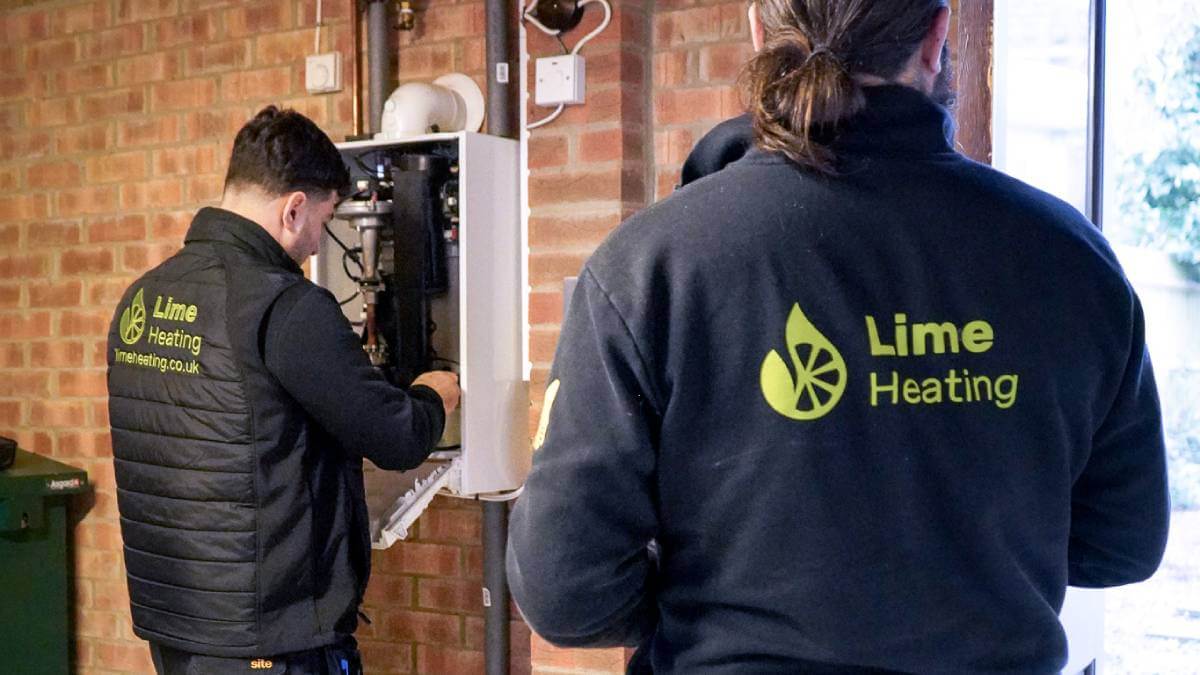
Keeping your new boiler in the same location as your existing boiler is normally the most cost-effective option.
If you decide to relocate it to another part of the property, additional work is likely to be required.
Moving a boiler into a loft, for example, may require longer pipework runs and changes to the flue arrangement.
Flue positioning itself can also affect the installation.
If the new boiler is farther from an outside wall than the old one, or is being moved to a completely different room, a longer or more complex flue arrangement may be needed.
Flues must also comply with minimum distance requirements from features such as windows, doors and property boundaries.
A difficult location, such as close to a neighbour’s window or on an upper floor without straightforward access, can therefore make the installation more involved.
Scaffolding or an access tower may also be needed where the flue has to terminate at height or in a restricted position, adding further costs to the installation.
Additional parts and system upgrades
A new boiler installation involves more than simply replacing the boiler itself.
Most quotes will include the removal of your existing boiler, corrosion inhibitor and a magnetic system filter as standard. Other work, such as power flushing or thermostat upgrades, may be recommended depending on your existing heating system.
When comparing quotes, check carefully what has been included.
Typical items can include:
- Removal and disposal of the old boiler and any redundant hot water tank
- Corrosion inhibitor to help protect the new system
- A magnetic system filter to catch debris and extend the boiler’s lifespan
- A power flush of the central heating system, particularly in older properties
- Condensate pipe installation or upgrades
- Thermostatic radiator valves (TRVs)
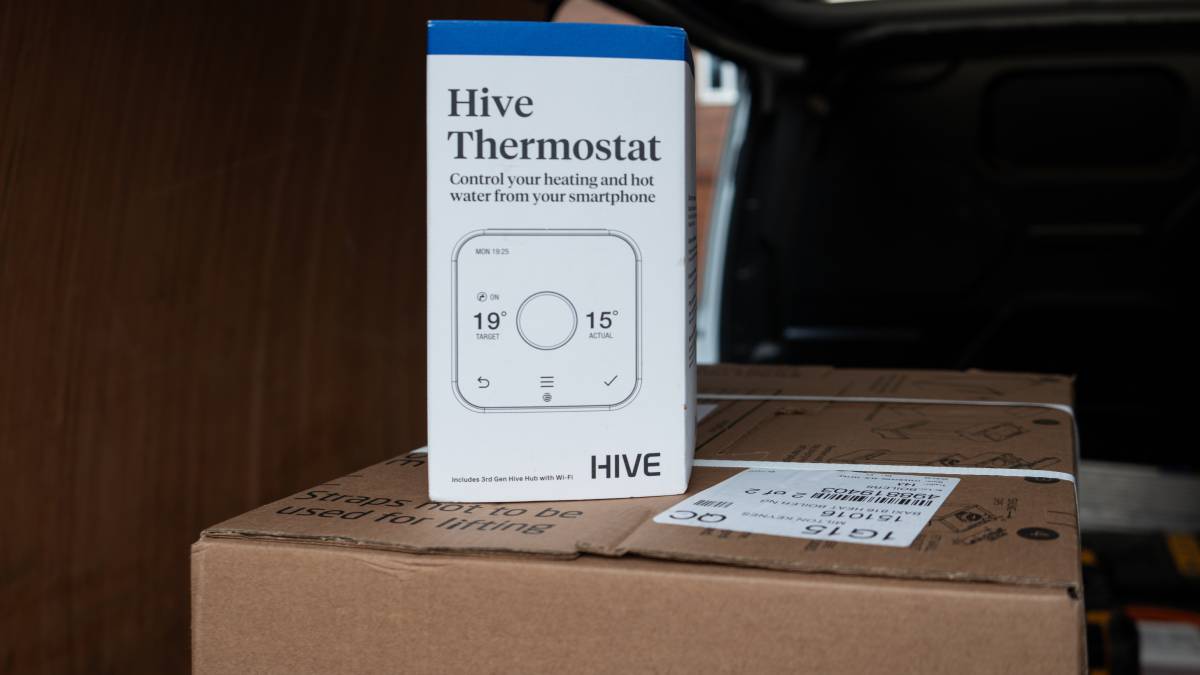
- A programmable room thermostat
Some elements, including appropriate condensate arrangements and system protection, may be necessary for a compliant installation and manufacturer warranty.
Others, such as a complete power flush or replacing TRVs throughout the property, will depend on the age and condition of your existing heating system.
A cheaper initial quote is not necessarily better value if important parts or work have simply been left out.
Brand and warranty length
The manufacturer and model of boiler you choose will also affect the overall price.
Premium boiler brands can carry a higher upfront cost, but they may also come with longer manufacturer warranties.
A longer warranty can provide additional reassurance and potentially reduce the risk of paying for unexpected repairs during the warranty period.
Models with longer warranties can also use higher-quality components designed for greater longevity.
When comparing options, consider both the upfront cost and the protection you receive afterwards rather than making a decision based solely on purchase price.
Property type and existing heating system
Your property itself can also significantly impact boiler installation costs.
Larger homes generally require boilers with higher output to meet greater heating and hot water demand, which can increase the system’s price.
Flats and apartments can present different challenges. Restricted access may require specialist equipment, additional materials or more labour time.
The age and condition of the property also matter.
Older homes may have ageing pipework, existing system debris or damage caused by hard water. Additional preparation can therefore be required before the new boiler is installed.
This could include:
- Additional system flushing
- Replacement pipework
- Changes to the existing heating system
- Upgrades required to meet current Building Regulations
These elements can all increase the final installation price but may be necessary to ensure the new boiler operates effectively.
How does a like-for-like boiler replacement compare with a combi conversion?
Changing your entire boiler setup will generally cost more than replacing an existing boiler with the same type.
A heat-only-to-combi conversion, for example, requires more labour and additional alterations to the heating system.
The additional cost is not necessarily caused by the price of the boiler itself. It is often the extra work required to remove redundant components and adapt the existing system.
Here is how two example installations could compare for a three-bedroom semi-detached property with an existing heat-only system.
Like-for-like heat-only boiler replacement
A Baxi 819 Heat Only, 19kW installation could cost approximately £2,500 including VAT.
This includes:
- Removal and disposal of the existing boiler
- Corrosion inhibitor
- Condensate pipe
- Magnetic system filter
- System flush
- 10-year guarantee
Because the existing hot water cylinder and feed-and-expansion tank remain in place, there is no additional tank removal or major pipework alteration to account for.
Heat-only to combi boiler conversion
A Baxi 830 Combi 2, 30kW conversion could cost approximately £4,000 including VAT.
Alongside the standard installation work, this also involves:
- Removing the redundant hot water cylinder
- Removing the airing cupboard tank
- Capping and rerouting existing pipework
- Upgrading the gas supply pipework diameter where required
- Making good areas where the old cylinder and tank were situated
- Installing an inline scale reducer
- Adding a shock arrester
- Installing a filling loop
- Fitting combi boiler-compatible controls
The approximately £1,500 difference is therefore not simply down to the boiler unit itself.
Heat-only and combi boilers from the same range can be similarly priced. The difference comes from the additional labour and materials required to remove the old setup, adapt the heating system, and install the components needed for the new combi boiler.
How can I budget accurately for a new boiler?
Online prices and telephone estimates can provide a useful starting point, but the most accurate way to understand what a boiler replacement will cost is to have the installation properly assessed.
There are several things worth considering before comparing your options.
Get a home visit
Boiler pricing depends heavily on your existing pipework, boiler position and the overall condition of your heating system.
For an accurate quotation, an engineer should ideally see the property and understand what the installation actually involves.
This reduces the chance of unexpected additional work being identified once the job has started.
Ask exactly what is included
Always check what your boiler installation quote covers.
A low headline price that excludes system filters, flushing, disposal or other important work can become considerably more expensive once those items are added.
If essential installation requirements are skipped altogether, this could also affect the manufacturer warranty and expose you to unexpected repair costs later.
Our quotations clearly itemise the work being completed, including individual components such as the supply and installation of an inline scale reducer where required.
Check the warranty terms
Do not compare boilers on purchase price alone.
A longer manufacturer warranty may justify a slightly higher upfront cost by providing greater protection against repair costs in the years following installation.
Check both the warranty length and any conditions that must be met to keep it valid.
Factor in ongoing boiler cover
The cost of looking after your boiler does not necessarily end once it has been installed.
Some installers offer optional boiler cover plans following installation, so you may want to include this within your longer-term household budget.
If we have installed your boiler, you are guaranteed acceptance onto our Lime Care cover plans.
How can I make the cost of a new boiler more manageable?
A new boiler can be a significant household expense, so it is worth looking for an installer who is transparent about pricing from the start.
Start by getting a detailed quotation that clearly explains what is and is not included. This makes it easier to understand the true cost of the work rather than relying on a headline boiler price.
Finance can also make the upfront cost easier to manage.
For homeowners who would prefer not to pay for the entire installation at once, Lime Heating offers 0% finance options, allowing the cost of a new boiler installation to be spread into more manageable monthly payments.
Our Milton Keynes-based Gas Safe registered installers also provide free, no-obligation home quotations, helping you understand exactly what your property requires before making a decision.
Get a free quote for your new boiler
Every property and heating system is different, which is why an accurate boiler price starts with understanding your home.
If you are considering replacing your boiler, our heating engineers in Milton Keynes can assess your existing system, explain your options and provide a clear quotation based on the work your property actually requires.
Get in touch with Lime Heating today to arrange your free, no-obligation boiler installation quote.

