


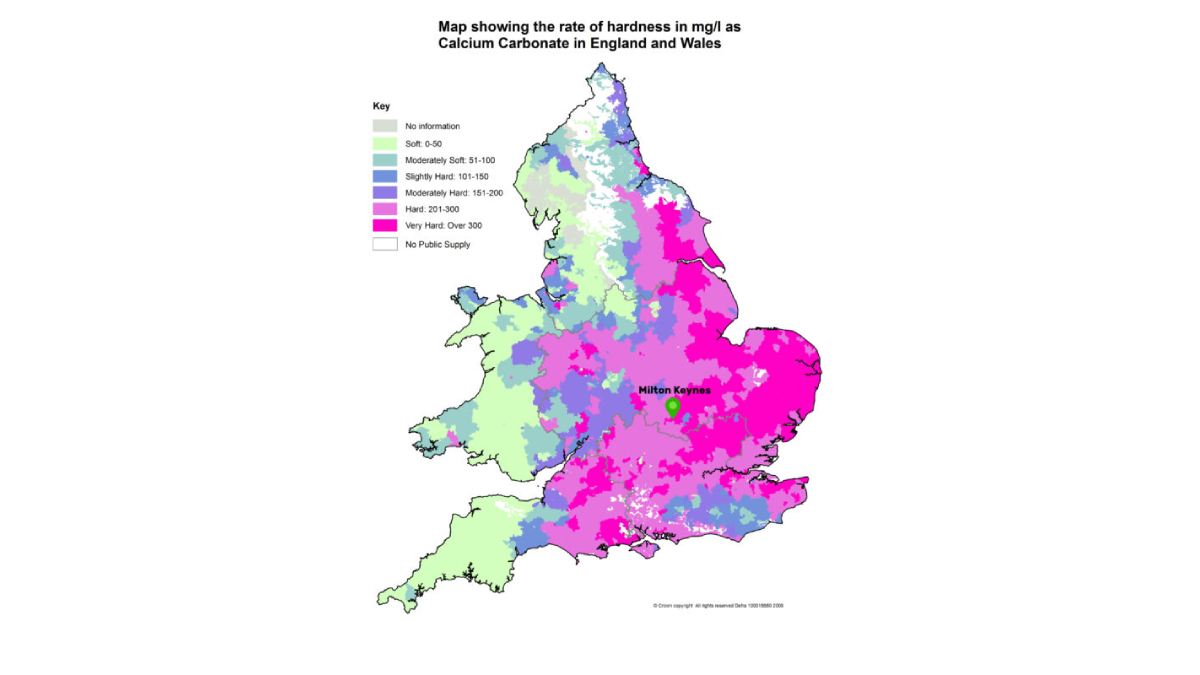
If you live in Milton Keynes or the surrounding areas, you’re living in one of the UK’s hardest water regions. You might be waging war on the limescale on your taps and in your kettle but that’s not the whole picture. The thing that’s keeping the plumbers of Milton Keynes awake at night is the hard water that’s silently damaging your heating and plumbing system.
Over time, this build-up of minerals leads to higher bills, unreliable heating, and expensive breakdowns. In this in-depth guide, we’ll explain:
What hard water is and why it’s a problem
The real impact of limescale on your heating system
Ways hard water could cost you more
Proven solutions to protect your home
Why prevention is always cheaper than cure
At Lime Heating, we’re experts in helping Milton Keynes homeowners tackle hard water and look after their heating system. Here’s everything you need to know.
What does this guide cover?
What is hard water?
Water is classed as “hard” when it contains high levels of minerals like calcium and magnesium. While perfectly safe to drink, once heated in your kettle, boiler, or radiators, these minerals transform into limescale. That chalky build-up doesn’t just look unsightly – it can also take a toll on your appliances.
We bet you’ve picked up at least one product (possibly a cupboard full?) for your bathroom or kitchen on the promise that it’ll beat limescale… But what about your plumbing, boiler and heating system? That same build-up is forming inside your boiler’s heat exchanger and clogging up your pipework and pumps. Left unchecked, it can lead to serious efficiency and reliability problems.
How hard water damages your plumbing
Hard water causes more than just surface-level scale. It creates multiple issues inside your heating system and plumbing:
Reduced boiler efficiency: even a small build-up of limescale on your boiler’s heat exchanger can effect heat transfer and reduce efficiency. That means your boiler works harder and burns more gas to heat the same amount of water
Restricted water flow: limescale can clog taps, showers and sanitary ware, restricting water flow, looking unsightly and reducing function
Increased breakdowns: limescale clogs up pumps, valves and pipes. These blockages cause numerous problems, often requiring costly repairs
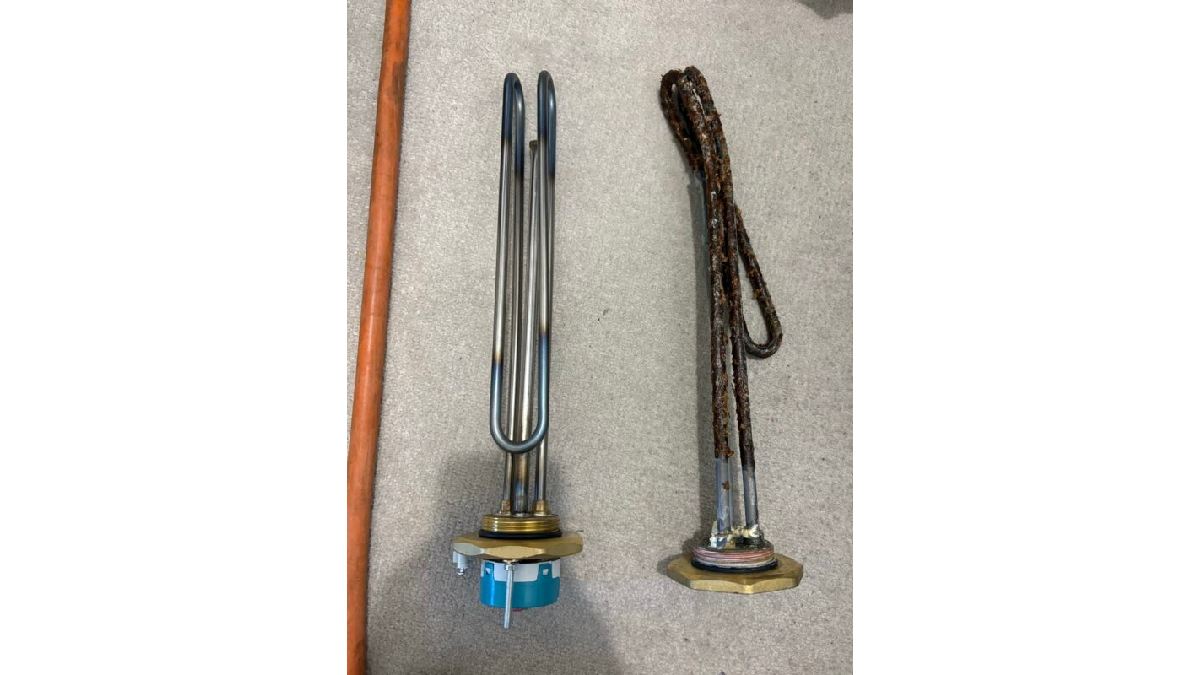
Damage to immersion heaters: hard water causes limescale to coat the element, essentially acting as a layer of insulation. This forces the element to work harder, reducing efficiency and is a frequent cause of failure
Clogged hot water cylinders: limescale build-up inside the cylinder will eventually reduce hot water capacity. It also slows down heat transfer, again affecting efficiency and increasing cost
Shorter system lifespan: a boiler that should last 12–15 years may fail years earlier if limescale is severe and left untreated
How to protect your plumbing
The good news? There are several proven solutions to keep your system running smoothly. At Lime Heating, we recommend a combination of these depending on your home, budget and condition of your system:
Water softeners
Installed at the mains, they treat all the water entering your home. This reduces limescale at the source. An effective option but expensive, so not for everyone
Scale reducers
A small, in-line device fitted to the cold water supply. Slows limescale build-up, helping protect your boiler and appliances and improve efficiency. More cost-effective than a water softener
Regular servicing
Annual servicing helps spot early signs of limescale and ensures filters and inhibitors are topped up. The easiest and most budget-friendly option for maintaining your system
Why prevention is better than cure
Milton Keynes is in one of the UK’s hardest water regions. This means the risk of limescale is much higher than average. It helps to know that it’s always cheaper to prevent limescale than to fix the damage afterwards. With the right system care, you’ll:
Keep your energy bills lower
Reduce expensive repair callouts
Extend the life of your boiler, taps, showers and more
Enjoy a warmer, more reliable home

